NEWS
30 Years After the Gallows: The Ogoni Nine and Nigeria’s Unfinished Journey As Their Bood Cry For Justice.

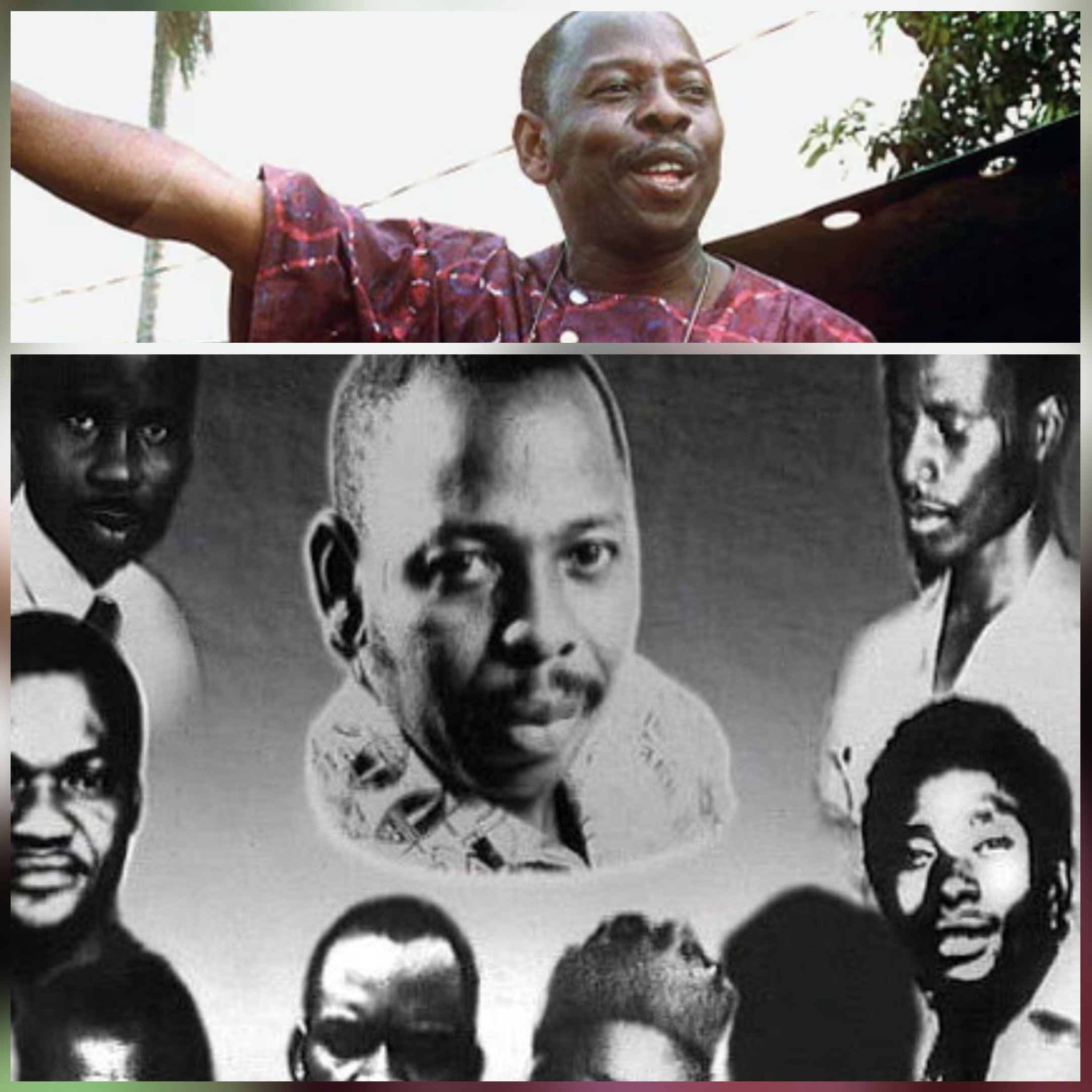
Thirty years ago, on November 10, 1995, Nigeria committed one of the most egregious acts of state violence against its own citizens: the state-ordered execution of the Ogoni Nine. Ken Saro-Wiwa, Baribor Bera, Saturday Dobee, Nordu Eawo, Daniel Gbokoo, Paul Levura, Felix Nuate, John Kpuinen, and Barinem Kiobel, nine courageous sons of Ogoniland, were hanged after a deeply flawed and unjust trial before a military tribunal by the Abacha Regime as their only “crime” was demanding justice, environmental accountability, and dignity for their people.
Through the Movement for the Survival of the Ogoni People (MOSOP), these men waged a non-violent campaign against the environmental devastation of their lands caused by decades of crude oil extraction by Shell Petroleum Development Company (SPDC). They spoke truth to power, decrying the Nigerian government’s complicity and failure to enforce environmental protections, even as the air, water, and soil of Ogoniland became poisoned beyond use.
Their executions, following a trial marred by bribed witnesses, denial of a fair hearing, and blatant political interference, drew global condemnation and remain a dark stain on Nigeria’s already fragile human rights record. The United Nations, the Commonwealth, and international human rights bodies denounced the act as a gross miscarriage of justice. Yet, the Nigerian state has to this day failed to take full responsibility for these killings.
Three decades later, the demands of the Ogoni Nine remain unmet.
The UN Environment Programme (UNEP) assessment of Ogoniland revealed the devastating extent of oil pollution, with benzene levels in some areas 900 times higher than the World Health Organization’s safety standards. Despite these findings, the cleanup of Ogoniland has been slow, opaque, and riddled with political interference. Instead of prioritizing full environmental remediation and community healing, the Nigerian government has, disturbingly, floated plans to resume oil extraction in a region still deemed unsafe for human habitation.
Even more troubling are recent political gestures suggesting a “pardon” for the Ogoni Nine, a moral and legal mischaracterisation that implies guilt where none exists. What is due is not pardon, but complete and full-throated exoneration: an official recognition that their convictions and executions were unjust, unlawful, and an assault on the right to dissent.
Thirty years later, there are no real signs that the Nigerian government has learned the lessons that the sacrifice of the Ogoni Nine should have taught us as the primary duty bearer for human rights, the government must never place the interests of corporations above the health and well-being of its people.
Several communities across Nigeria continue to suffer environmental degradation and economic displacement because they have not been afforded adequate protection by the state.
Equally disturbing is the continued repression of voices that speak truth to power. Those who criticise governmental actions or advocate for the rights of citizens continue to face arrest, harassment, detention, and in some tragic instances, death. It is even more disheartening that today, unlike in 1995, Nigeria is supposedly a democracy, yet its democracy often quashes dissent rather than protecting it.
The legacy of the Ogoni Nine calls not just Nigerians, but the entire global community to action. We all must confront the uncomfortable truth that the same systemic impunity that killed them persists, manifesting in the persecution of activists, the silencing of communities resisting exploitation, and the weaponisation of state power against citizens who demand justice across several extractive-rich states.
Global Right has therefore call on the Nigerian Government to exonerate the Ogoni Nine and acknowledge their wrongful conviction and execution as the government should fully implement the UNEP recommendations, ensure a transparent, well-funded, and community-led cleanup of Ogoniland.
The non governmental organization call on government to hold polluters accountable, including multinational corporations that continue to profit from environmental destruction in the Niger Delta.
As we mark this thirtieth anniversary, Glibal Right reaffirm that the federal government should guarantee the safety and rights of environmental and human rights defenders across the country as the Ogoni Nine are not merely victims of history; they are symbols of courage, conscience, and resistance.
Justice delayed is justice denied, and silence in the face of injustice is complicity.